
evan

Contrary to the unrealistic, glamorizing versions of anorexia we tend to see in the media, anorexia is a serious mental health condition. It’s defined by a limited or restricted amount of food intake which results in lower than expected body weight and a negative body image. Without proper recognition and treatment, it can create a devastating reality, resulting in severe health consequences.
While it is a disease that mostly affects women, anorexia doesn’t discriminate. Regardless of your gender, age, race, and body type, anorexia comes with a number of emotional challenges and fears, experienced by each person differently.
The following list includes some of the most common signs and symptoms in individuals with anorexia.
Physical symptoms
The physical symptoms that present in cases of anorexia can also be found in other medical conditions, so it’s important to get a proper diagnosis from a professional.
A few common physical symptoms can present as:
- Abdominal pain or frequent stomach aches
- Anemic and bruises easily.
- Brittle nails
- Cold hands and feet
- Constipation
- Dry and thinning hair
- Extreme dehydration
- Hair loss
- Feeling lightheaded
- Loss of or a delayed menstrual period in females.
- Low blood pressure and heart rate
- Muscle loss and weakness
- Pale, dry skin
- Sensitivity to cold
- Significantly low body weight
Behavioral symptoms
These are signs that are often more easily noticed by family and friends of someone who is struggling with anorexia. They may be observed before the physical signs and can look like the following:
- Denial of hunger or refusal to eat
- Desperate to exercise even when inappropriate
- Perfectionism
- Fatigue, loss of energy, or feeling tired
- Insistence on wearing layers of clothing
- May seem obsessed with food-related topics-such as cooking or cooking shows on TV.
- Particular eating habits-refusing to eat certain foods, extreme changes in diet
- Strange food rituals, such as an insistence on using specific utensils
- Weighs themselves often, fears gaining weight
- Withdrawal from friends and family
Emotional symptoms
Some of these symptoms might be more challenging to recognize from an outsider's perspective. Along with anxiety or depression symptoms, family members and friends may be able to identify some of the following warning signs.
- Strong desire for approval-determines self-esteem or self-worth by appearance and weight
- Easily irritable
- Extremely self-critical
- Little to no motivation to engage in hobbies or relationships
Getting help
Anorexia nervosa can cause several severe health consequences, but recovery is possible. Seeking treatment early on improves the chances of successful recovery. If any of the above sounds familiar, contact your local physical or mental health care provider for an assessment.
Research Center
evan

It's only natural to believe that our interpretation of the world is the only way to view things. We understand people and situations based on our own experiences, creating a unique lens. When we find ourselves in disagreement with our partner, it's easy to think that they're the ones who are misinterpreting the situation or are wrong. But ultimately, they're the main characters of their story as well.
Sometimes, your relationship could benefit from looking at it through a different lens or trying a new perspective. Research suggests that utilizing several views other than your own demonstrates high levels of emotional intelligence and can improve your relationship satisfaction.
Perspective-taking and empathy
The two concepts are closely related, but empathy includes feeling what the other is feeling. Taking on a different perspective involves a bit more than that, where you can adopt a "sense" of what your partner thinks—understanding that their histories, motives, emotions, and perspectives influence their behavior and actions.
In other words, empathy is when you take on the feelings of other people. When you can look at their perspective, you adopt their mindset. Not only can this skill apply to your relationship with your partner, but it can come in handy in other relationships.
So why is perspective-taking so important in relationship satisfaction?
Research suggests that you and your partner could benefit from practicing seeing the world from each other’s shoes for the following reasons:
Being in tune with your partner strengthens communication. When you or your partner find yourselves in a disagreement, it's easy to slip into a state of denial. You may become stubborn to see the situation from their perspective or vice versa.
When you practice perspective-taking, you become more in tune with their potential reactions to things, allowing you to prevent conflict before it arises. After all, you're both unique people with your backgrounds, life experiences, and ultimately, individual perspectives. Both perspectives in the relationship deserve to be respected and appreciated.
You’ll appear more open-minded and fair. By making an effort to understand your partner's perspective, you are making an effort to close the gap between you and your partner as separate people. Instead, you strengthen the connection and trust, where both of you can feel confident in feeling understood and accepted, regardless of how you may differ.
Perspective-taking helps you feel closer and more connected to your partner. Understandably, there may be times when you find that practicing compassion and understanding feel impossible to do. These are the challenges that come with the most significant amounts of growth. You practice setting your ego aside to focus on the situation at hand and turning potential built-up resentment, anger, and fear into security and love.
A couple rarely reaches greater understanding or resolution without communicating, so make communication a priority. When you commit to each other in this way, you build a solid foundation for closeness and ease in the relationship.
A small effort can go a long way
The process of growing into a healthier, happier relationship isn't a clear cut path. But the good news is, this ability of perspective-taking can be learned. If you’re motivated to improve your relationship, by practicing a little discipline, you'll be able to find new ways to understand one another. Not only will it help your partner feel more loved, more vital, and more secure, but it will help your relationship strengthen as a unit.
evan
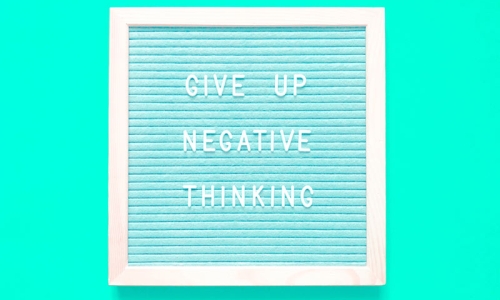
If you've noticed that you tend to dwell on your mistakes more than your successes in your life or let 1 negative criticism dismiss 100 hundred compliments, you're not alone. That's just your negativity bias. As humans, our minds naturally pay more attention to the negative things than the positive ones. This bias can determine how we feel, think, and act and have undesirable effects on our mental state.
How do we stop feeling so negative?
The strength of your negativity bias depends on how much you focus on it. By shifting the direction of your conscious attention towards positive events and feelings, you can start to balance, or even overpower, the negative strength.
Here are 5 strategies you start implementing today:
- Make positive concepts accessible. Although your brain is a part of you, it works against you at times. It prefers to go to whatever is familiar and certain-as it requires less energy and effort. To undo this, make positive concepts seem more familiar and accessible by scattering simple pleasures throughout your day. Having a positive word of the day, treat yourself to your favorite cup of coffee, or watch your "guilty pleasure" TV shows. These small doses of positivity help your brain counteract its natural negativity—making it easier to access throughout the day.
- Practice mindfulness. One of the best ways to overcome negative thoughts is to identify them and recognize them when they occur. To do this, you need to be present in the moment rather than thinking about the future or dwelling on the past. Notice and label the feelings and thoughts that arise. When you notice a negative thought, simply label it as "negative thought", or "unhelpful thought". Doing so creates a separation between you and the unpleasant thoughts that arise.
- Visualize positivity. When you notice your mind flooding with negative thoughts, stop and visualize something positive. This can be your favorite place, people, foods, or things. Indulge all of your senses as if you were experiencing these things; your brain can't tell the difference between what's real and what's imagined.
- Savor the positive. It's undeniable that we take things for granted. The next time you experience a joyful moment, take some time to enjoy it. Fully engage yourself in the sensations, pleasant thoughts, and bright emotions that you feel.
- Take action. One of the most effective ways to start feeling more positive is to start acting in positive ways. The brain is motivated by action, not words. Start by doing something that makes you feel good-like spending time with friends, practicing an instrument, or playing with your dog. If you feel unmotivated to try, start by setting a timer for 2 minutes. You can stop when time's up, but your mind will likely want to keep going.
Moving forward
We all feel negatively from time to time. When we find ourselves getting stuck, it's helpful to recognize why we might be doing so. We may be naturally wired to direct our attention to the negative, but it's possible to adopt more positive frames of reference and boost our well-being.
evan

Pregnancy can be a joyful experience- and a stressful one. Research suggests that 1 in 7 women experience symptoms of depression throughout their pregnancy. While you may be more familiar with mental health issues following a pregnancy, experiencing periods of sadness, loneliness, and hopelessness throughout this period of time is relatively common.
Antepartum depression
Also known as prenatal depression, antepartum depression is defined by similar major depressive disorder or clinical depression symptoms. Difficulty sleeping, low energy, changes in appetite are expected throughout pregnancy. Women who are experiencing these symptoms for the first time may feel unsure whether this is normal and may be reluctant to address them with their healthcare providers as a result.
On the other hand, a woman's physical health tends to be the focus throughout her pregnancy rather than her mental health. Physicians may attribute your symptoms to your pregnancy rather than antepartum depression.
In addition to these barriers, our society believes that being pregnant is the happiest period of a woman's life. Surging hormones combined with stress, anxiety, and pressure to feel endlessly optimistic can affect any woman's emotional state during pregnancy.
Signs of antepartum depression
Antepartum means "before childbirth" and only happens throughout pregnancy. With all of the expected changes that occur throughout pregnancy, you may not always recognize the symptoms of antepartum depression. A few indications may look like the following:
- Increased anxiety in general or about your baby
- Low self-esteem
- Feelings of dreadfulness
- Feeling unprepared or inadequate about parenthood.
- A lack of interest in things you used to enjoy
- A lack of motivation to take care of yourself
- Poor adherence to prenatal care
- Smoking, drinking alcohol, or drug use.
- Not gaining enough weight.
- Difficulty sleeping or sleeping too much.
- Hopelessness, or thoughts of suicide
It's important to note that your symptoms may be different from other women. Depending on your symptoms' severity, treatment options can range from psychotherapy, support groups, or medication.
Treatment during pregnancy
If you're experiencing any symptoms of antepartum depression, the most important thing to remember is that you are not alone. Your prenatal care, primary care, and mental health provider can communicate with one another to ensure that you and your baby receive quality care. There are safe and effective ways to treat and manage the symptoms of depression, so contact one of your providers today. Asking for help is the first step to finding ways to feel better and enjoy this incredible time in your life.
evan
These days mental health does not give importance at all. This is only because people lack the understanding that better mental health is the only key to lead a happy and healthy life. There is nothing more important than your mental health. Therefore, in this post, we have mentioned different therapy types that you can go for if you are facing anxiety issues. You can also search for a therapist for anxiety near me and get the best possible options right away.
The best way to treat anxiety and depression is to become as informed and accept that you are going through such feelings and issues. Validating yourself in that way will give you an immense boost and confidence to treat yourself in the best way possible.
Types of therapy
Therapy may help develop an awareness of what you feel. Why you think in that way, and what I believe caused you to believe in this particular way. Once the issues and causes are noted down, these are then treated with the best type of therapy that suits you. As we know, every person is different, and hence, not the same kind of treatment can be given to each patient.
Mentioned below are the different types of therapies you need to consider before you visit your anxiety disorder therapists. Three of the more traditional depression and anxiety treatment methods are cognitive behavioral therapy, interpersonal therapy, and psychodynamic therapy. Usually, a blended approach is used to cure these disorders for better and efficient results.
1.Interpersonal therapy:
This type of therapy that almost every therapist will consider every patient as this therapy gives them a clear brief and an overview of the victim's personality in depth. Therefore, interpersonal therapy focuses on the patient's troubled personal relationships that cause anxiety and depression.
2. Cognitive/behavioral therapists:
This type of therapy helps the patients to change the negative styles of thinking. The therapists help them in maintaining the frequency of the positive thoughts. With the help of this therapy, the main motive of the therapists is to understand the root cause of the depression and let it out from the victim's mind. This therapy also focuses on recognizing and changing the thought patterns and behaviors that lead to troublesome feelings. Patients find this therapy helpful as it also helps them control the negative thoughts and look at them more realistically.
3.Mindfulness-based cognitive therapy:
The therapy was founded by Jon Kabat Zinn, and the theory seems perfect for the patients who found great difficulty in controlling their minds. This type of treatment is a mindfulness-based stress reduction model. This is also considered the combination of cognitive therapy with the entire principle of mindfulness. This therapy is designed for people who experience repeated bouts of depression or chronic unhappiness.
4.Dialectical behavioral therapy (DBT)
This therapy is developed to help manage borderline personality disorder. This also involves solo and group sessions, which increase the friendliness in the victim's soul—one of the best therapy to get the solution for anxiety disorder.
Conclusion
Here, are the best types of therapies that you can consider while going to treat anxiety. You can also go for any other option recommended to you by your therapists according to your condition. Also, consider the symptoms from the start and visit the therapist as soon as possible for better treatment. You can also consider going to a counseling Champaign and get the best treatment for your anxiety disorder. This will help in considering your mental health at your highest priority. Hence, mental health is the key to better living.